Over the past three years, marketers have faced journey due...
Read MorePhone
+9 587 325 902Address
Nenuya Centre, Elia Street,© Alrights reserved
by crowdyTheme
Most small business and startup owners in India have been told they need “a brand,” but few have been told what brand identity for small businesses and startups actually means, what it should involve, and how to know when it has been built well.
The result is a landscape of businesses with beautiful logos and no brand, or businesses with strong opinions and no visual language to carry them consistently. Both problems have the same root — a misunderstanding of what brand identity actually is.
Brand identity is not a logo. It is the underlying decision about who you are, who you serve, what you stand for, and how that gets expressed consistently everywhere your business shows up.
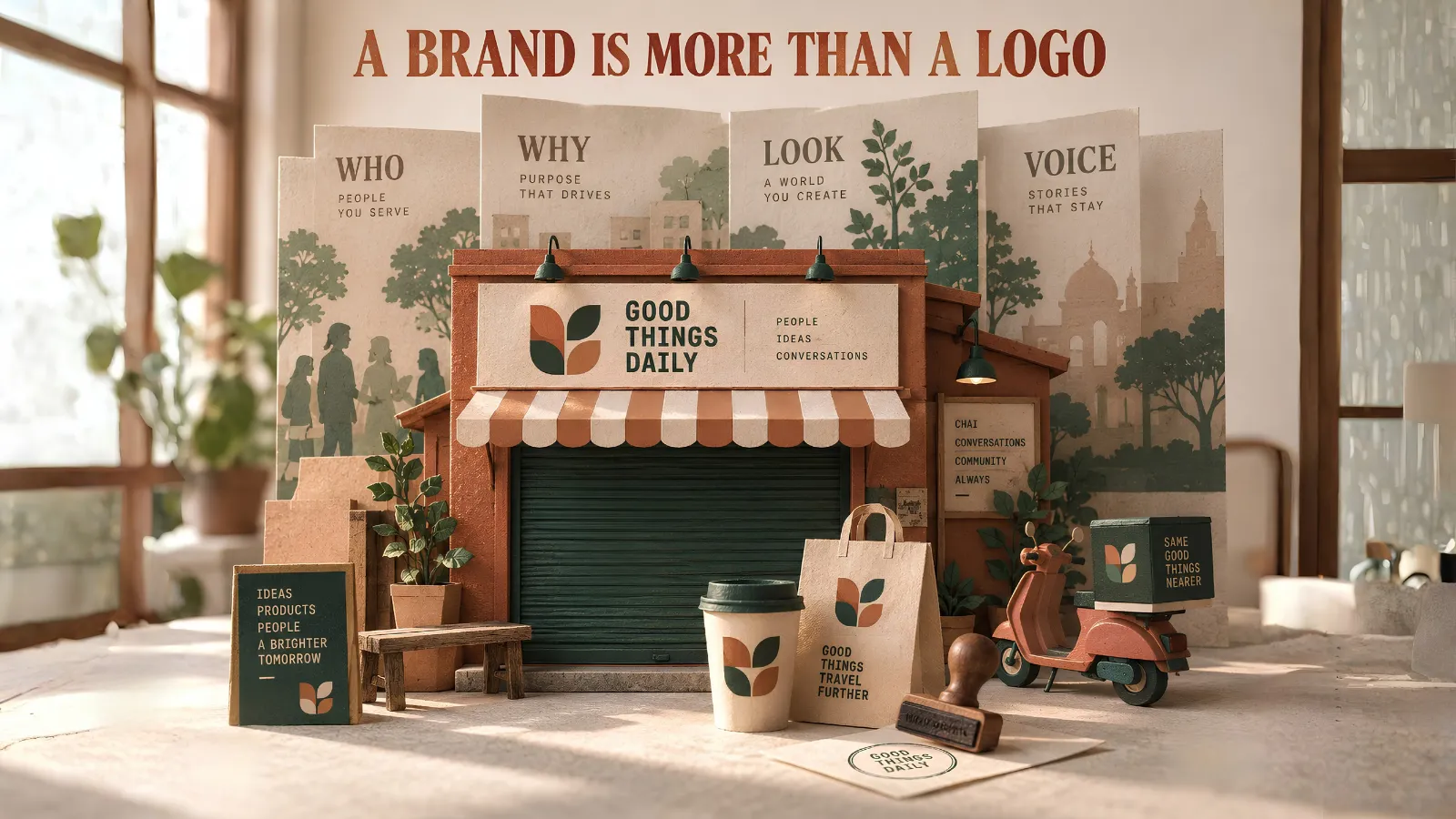
Strong brand identity for small businesses and startups comes from making four decisions in the right order — who exactly you serve, what you stand for that competitors don’t, how that shows up visually, and how it shows up verbally. The visual identity (logo, colours, typography) is the fourth decision, not the first. Small businesses and startups that start with the logo end up with brand identities that look nice but don’t hold together. Businesses that follow the four decisions in order end up with brands customers remember, trust, and pay premium prices for.
A small business and startup owner walks into a design agency asking for a logo. The agency delivers three options in six weeks. Six months later, the business is using slightly different colours in every social post and describing what they do in a different way every time they talk to a customer.
That is not brand identity. That is a logo the business happens to own. Failure is a process, not talent. The right ask would have been for a full brand identity engagement — one that answers the four decisions and produces a system, not just a mark.
Every strong brand serves a specific customer set exceptionally well. Every weak brand tries to serve everyone and ends up serving nobody memorably.
This decision is hard because saying “we serve X” implicitly means saying “we do not serve Y.” Small business and startup owners are reluctant to turn away revenue. But businesses that grow into strong brands make this decision early. When we work with clients, the first exercise is often not designing anything — it is clarifying exactly which customer segment they will serve, and which they will politely decline.
This is the positioning decision. What specific promise do you make that competitors either cannot make or do not make well?
Real positioning sounds like “we’re the only B2B logistics company in India that guarantees temperature-controlled delivery for perishables under 6 hours.” Not “we offer great service.” Specific. Defensible. Different.
Now you can talk about the logo, the colours, the typography, the design language. These decisions are now anchored to something. The visual identity expresses the positioning, not the other way around.
A luxury brand and a fintech serving college students should not look the same. A brand expressing “trusted heritage” uses different typography than one expressing “modern challenger.” The visual system should feel inevitable once you understand the positioning.
The last decision is voice. How does the brand write emails, sales proposals, website copy, LinkedIn posts?
Most small businesses and startups ignore this decision, and the result is a brand that looks consistent visually but sounds like a different company every time it communicates. The verbal identity — tone, vocabulary, sentence structures — is what makes the brand feel like one coherent business.
When these four decisions are made properly, three things become true. Every customer touchpoint reinforces the same impression. The team knows how to represent the brand without asking. Customers start describing the brand back to you in words you would have chosen.
You can see this working across our brand identity engagements shows what happens when small and mid-sized businesses commit to the full process rather than just the logo.
For many founders, brand identity feels like a cost centre: something to fix once the business is “big enough”. In practice, a clear brand identity for small businesses and startups shows up directly in commercial outcomes.
Buyers rarely choose a business they can’t recall when the need arises. Consistent visual cues do much of this work. Colour alone is widely cited as increasing brand recognition by up to 80%, which is why the strongest small brands pick a palette and stick to it everywhere.
A prospect who meets a coherent brand across the website, LinkedIn, proposals and packaging assumes the business behind it is organised and reliable, often before a single conversation.
Businesses with a clear identity compete less on price, because buyers can see what makes them different.
Every campaign, sales deck and social post starts from an established system instead of from scratch, so marketing spend works harder and teams move faster.
A distinctive name, mark, colour and voice become things customers recognise and recommend. Over time, that recognition is one of the most valuable things a small business owns.
Honest benchmarks from working with SMEs across categories:
Includes logo and basic visual identity. Suitable for very early-stage businesses.
Includes full brand identity with logo, visual system, brand guidelines, and basic verbal identity. Suitable for most small businesses and startups serious about building a lasting brand.
Includes comprehensive brand identity including strategy, visual system, verbal identity, and application design across key touchpoints. Suitable for growth-stage businesses where brand is material to customer acquisition.
Zerodha built one of India’s most valuable financial services brands without spending on advertising, largely by making the four decisions with unusual clarity. Specific audience — self-directed retail investors. Defensible positioning — radical cost transparency. Consistent visual and verbal expression. Customers described the brand back to them in the words they would have chosen.
Mamaearth built a brand around toxin-free personal care for Indian families with young children. Specific audience. Defensible positioning. Every touchpoint reinforced the same impression. The brand was material to scaling from startup to publicly listed company in under six years.
Both share a pattern small businesses and startups can learn from — the brand identity was not built to look good. It was built to communicate a specific promise to a specific customer with such consistency that the promise became inseparable from the brand itself.
The four decisions aren’t theory. They’re how we approach every brand identity engagement, whether the client is a new logistics company, a heritage eatery or a premium product brand heading overseas.
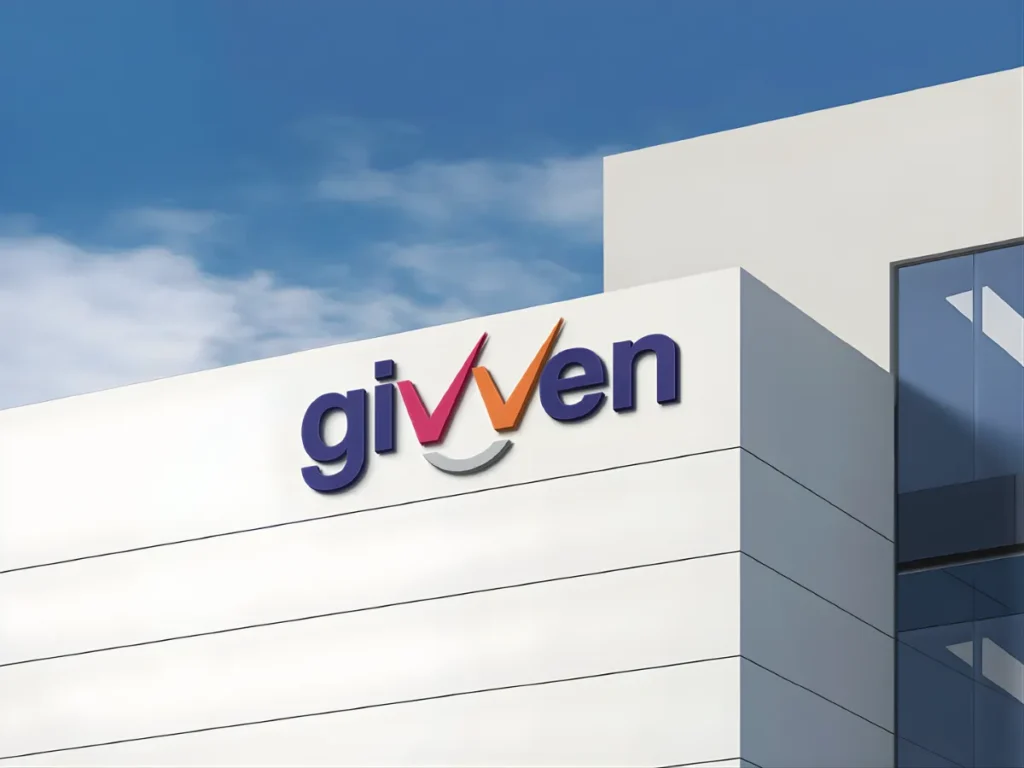
Givven, a tech-enabled global freight forwarding company founded by a logistics veteran, came to us at a formative stage. The business existed; the brand didn’t. Over three months, we handled naming, brand strategy, identity design and go-to-market assets. In an industry where shipping promises are routinely broken, we built the brand around a clear promise and positioned Givven as a challenger willing to call out the category’s broken norms. It’s Decisions 1 and 2 in action: knowing exactly who you serve, and what you stand for that others don’t.
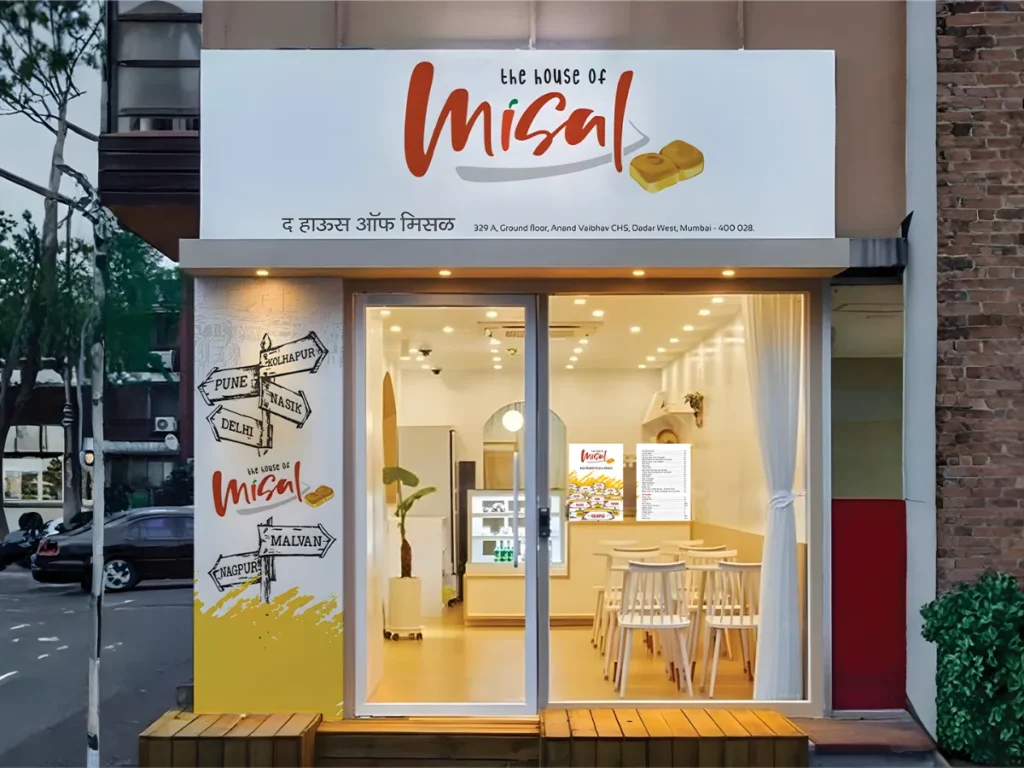
House of Misal wanted to make a humble Maharashtrian staple relevant to young food lovers. Our “Missal Impossible” identity, with quirky logos, spice-packed visuals and tongue-in-cheek packaging, turned misal into an Instagrammable experience. The brand built buzz organically, without ads or influencers, and showed that tradition can trend without losing authenticity. In the words of co-founder Gaurav Pawar, Umanshi showed them “how right marketing and branding can take our business places”.
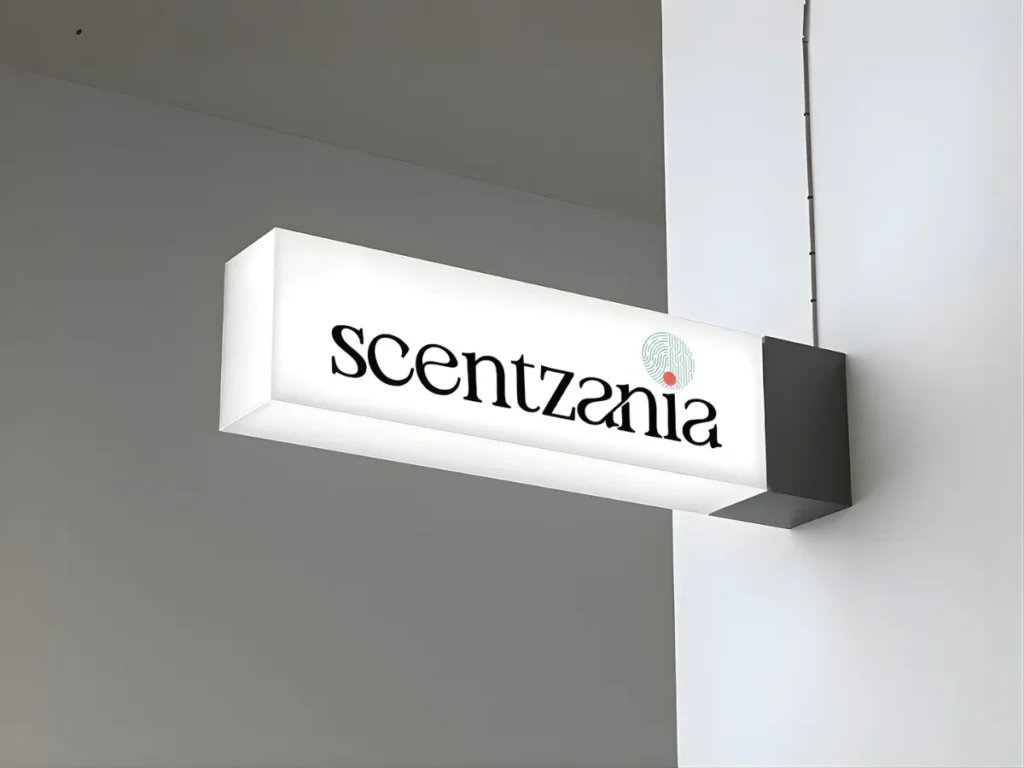
Scentopia, a Singapore-based customised perfume brand, engaged us as it prepared to launch in India as Scentzania and grow into a global premium fragrance house. With a new name and multiple sub-brands, the challenge was to look premium without feeling intimidating. We started with personas and positioning, then built a brand architecture and guidelines that keep the identity consistent across markets and future extensions. Clarity came before aesthetics.
Most problems with brand identity for small businesses and startups come from a handful of avoidable mistakes.
Fix by insisting on a strategy phase before any design work.
The founder is not the customer. Fix by grounding decisions in the customer.
Fix by finding what makes you different and expressing that instead.
A brand identity in the founder’s head disappears the moment the founder is not in the room. Fix by insisting on real brand guidelines.
Brand identity for small businesses and startups is the system of strategy, visuals and voice that makes a business recognisable and trusted, covering the logo, colours, typography, tone and the positioning that connects them.
A logo is one part of brand identity. Brand identity includes logo, colour palette, typography system, visual design language, verbal tone of voice, brand messaging, and the underlying strategy connecting all of these to what the business stands for.
For a full engagement including strategy, visual system, and verbal identity, expect 8-12 weeks. Rushed engagements produce weak outcomes because strategy work needs time.
Some can, most cannot. In-house work requires strategic clarity, design skill, and objectivity — nearly impossible when you are inside the business. Most small businesses get significantly better outcomes working with an experienced branding agency.
Three signals. Customers describe your brand back in words you would have chosen. Your team represents the brand consistently without checking with you. New customers form a coherent impression after one or two touchpoints.
When the current identity is genuinely no longer serving the business — the business has evolved, the market has shifted, or the original identity was built poorly. Never out of boredom.
If you’re a small business or a startup owner and want brand identity for small businesses and startup done properly, starting with strategy rather than the logo, reach out to Umanshi.
Anirudh Gulati is Digital & Brand Lead at Umanshi Marketing & Branding, shaping brand, digital, growth strategy and building brands for how buyers now discover them: through search, AI and story. He has worked with brands including FashionTV, Astrovigya, Premium Parking & Umenit alongside founders and businesses across technology, healthcare, education and consumer categories.
Over the past three years, marketers have faced journey due...
Read MoreOver the past three years, marketers have faced journey due...
Read MoreWhether you are a Startup proving a concept, an SME breaking a growth ceiling or a Social Enterprise scaling impact, you need visibility that converts.
For Family Businesses and Legacy Brands, we bridge the gap between decades of trust and future relevance to ensure your market perception finally matches your actual value.